
FINAL CONFERENCE

Date: June 25, 2026
Location: Atelier des Tanneurs, Brussels, Belgium
Join leading experts, researchers, policymakers and industry representatives
to discuss the future of sustainable proteins in Europe.
About the Event
Purpose of the Event
Why Participate
- Access exclusive, science-based policy recommendations
- Understand barriers and opportunities in alternative protein innovation
- Hear from leading EU researchers and project coordinators
- Engage in high-level discussions on Europe’s protein transition and industry uptake
- Network with 200+ experts from policy, industry, and academia
- Participate in afternoon parallel sessions for deep-dives into primary production, product development and safety, consumer acceptance, future research and more
Who Should Attend
What to Expect
Keynote & Expert Talks
● Challenges and barriers to adopting alternative proteins
● Technological innovations addressing these challenges
● Sustainability considerations in Europe’s dietary shift
● Pathways toward a sustainable protein future
Afternoon sessions with scientific deep dives and future outlook
● Primary production, Food & Ingredient Processing
● From Product Development to Consumer Awareness: safety, health, tools & impacts
● Environmental, Economic, and Social Sustainability
● Future Research: priorities & opportunities
Opportunities to engage
● Poster sessions during networking breaks
● In-depth discussions with scientific experts
Programme
Morning
8:30-09:00 – Registration, Coffee, Networking & Poster Session
09:00-09:30 – Opening Address
- Paul Webb, Head of Department for “Green Europe” Research, Executive Agency for Research (REA)
- Dr. Ewen Mullins, Project Coordinator, VALPRO Path and head of Crop Science Department at Teagasc
- Dr. Paul Vos, Project Coordinator & Expertise leader Nutrition Quality & Health, Wageningen University & Research
09:30-10:00 – Understanding the Barriers to Alternative Protein Adoption
Moderator: Dr. David Hunt, Senior Research Community Manager, GFI
- From a Croatian Farm to Europe’s First Fava Protein Platform – what scaling European protein actually takes – Zvonomir Sedelic, CEO of Nutris
- Challenges with Developing Alternative Protein Supply Chains in Europe – Dr. Juha-Pekka Pitkanen, Chief Scientific Officer & Co-Founder, Solar Foods
- Q&A
10:00-10:45 – Technological Innovations to Overcome Adoption Barriers
Moderator: Dr. Federico Ferreira, Associate Professor, Instituto Superior Técnico
- Simplifying fractionation processes and byproduct utilisation of protein crops – Prof. Mark Fenelon, Head of Food Programme, Teagasc
- Scaling Innovation: Food Processing Advances – Dr. Emanuele Zannini, Professor, University College Cork
- The Impact of Food Processing on Digestibility & Health – Dr. Andre Brodkorb, Principal Research Officer, Teagasc
- Q&A
10:45-11:15 – Coffee Break & Poster Session
11:15-12:00 – Assessing the Sustainability of Alternative Proteins in the Dietary Shift
Moderator: Dr. Dorinde Kleinegris, PI Microalgae & Associate Professor, NORCE Research, University of Bergen
- What does it take to know if an Alternative Protein is Sustainable? Lessons from Four years of Integrated Assessment – Dr. Birgir Örn Smárason, Research Group Leader, Matís
- Sustainability Assessments of Plant Protein Business Opportunities – Dr. Tryfon Kekes, Senior Researcher, University of Athens
- The Link between Health and Safety, and Sustainability of the Dietary Shift – Dr. Clare Mills, Professor of Food and Molecular Immunology, University of Surrey
- Q&A
12:00-13:00 – Pathways for Europe’s Protein Transition
Moderator: Marin Vandamme, Co-Founder, The Protein Project
- Future EU Diets: Pros and Cons of the Dietary Shift – Dr. Esther van Asselt, Senior Scientist Food Safety, Wageningen University & Research
- Ensuring a ‘Just’ protein transition – Dr. Richard Lynch, Research Officer, Teagasc
- Development of Transition Pathways towards alternative proteins – Prof. Maeve Henchion, Principal Research Officer
- Policy Briefs to support Europe’s Protein Transition – Prof. Dr. Hans Verhagen, Owner & Consultant, Food Safety & Nutrition Consultancy
- Q&A
Afternoon
13:00-14:00 – Lunch & Poster Session
14:00-15:00 – Parallel 1: From Crops to Products: Advancing Primary Production and Processing for Alternative Proteins
Chair: Dr. Ewen Mullins, Project Coordinator, VALPRO Path and head of Crop Science Department at Teagasc
- Pedoclimatic, Knowledge and Management Factors that Drive Grain Legumes in Europe – Dr. Moritz Reckling, Researcher, ZALF
- Exploring Solutions to Sensory and Functional Challenges in Alternative Proteins – Margrét Geirsdottir, Project Manager, Matís
-
Product Formulation & Development – Dr. Eimear Gallagher, Principal Research Officer, Teagasc
- Field Traceability and Carbon Footprint Intelligence; case study of a plant based burger – Dr. Vasileios Moysiadis, Farm B
- Hermetic Storage and Modified Atmospheres for Quality Preservation of Food-Grade Legumes – Dr. Ricardo Enrique Bartosik
- Consumers’ Perspective on Alternative Proteins, Trade-Offs, and Policies – Dr. Fabienne Michel, Established Researcher, ETH Zurich
- FAIR Data Sharing: the GIANT LEAPS Cloud Data Platform – Dr. Sergiy Smetana, Professor of Food System Analysis, DIL
- From Science to the Classroom: Teaching the younger generations about the Future of Food – Gloria Bevilacqua, Project & Communication Manager, Europamedia
15:00-15:30 – Coffee Break & Poster Session
15:30-16:30 – Plenary – Future Research & Industry Opportunities
Moderator: Rosalinda Scalia, Deputy Head of Unit, DG RTD
- Fabrizio Fabbri, Food and Sustainability Policy Manager – Acting Secretary General, EuroCoop
- Mathilde Loas, RD&A Senior Scientist, Kerry Group
- Geert Van Royen, ILVO – Flanders Research Institute for Agriculture, Fisheries and Food – ILVO Vlaanderen
16:30-17:00 – Goodbye Coffee & Networking
14:00-15:00 – Parallel 2: Ensuring Safe, Healthy and Trusted Alternative Protein Applications
Chair: Dr. Paul Vos, Project Coordinator, GIANT LEAPS, & Expertise leader Nutrition Quality & Health, Wageningen University & Research
Confirmed speakers

Dr. Ewen Mullins
Coordinator of VALPRO Path

Dr .Paul Vos
Coordinator of Giant Leaps

Prof. Maeve Henchion
Principal Research Officer at Teagasc

Dr. Richard Lynch
Research Officer at Teagasc

Dr. Birgir Örn Smárason
Research Group Leader for Sustainability at Matís

Dr. Juha-Pekka Pitkänen
Chief Scientific Officer and Co-Founder of Solar Foods Oyj

Dr. Esther van Asselt
Senior scientist at Wageningen Food Safety Research
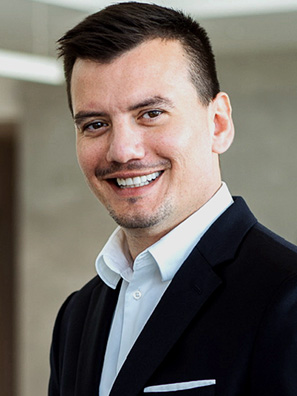
Zvonimir Sedlić
Founder and CEO of Nutris

Dr. Tryfon Kekes
Senior researcher at NTUA

Dr. Clare Mills
Professor of Food and Molecular Immunology at the University of Manchester

Dr. Dorinde Kleinegris
Principal Investigator Microalgae at NORCE

Prof. André Brodkorb
Principal Research Officer in the Teagasc Food Research Centre, Moorepark

Dr. Fabienne Michel
Researcher at ETH Zurich

Prof. Dr. Hans Verhagen
Owner and consultant at Food Safety & Nutrition Consultancy

Marin Vandamme
Co-Founder of The Protein Project

Dr. David Hunt
Senior Research Community Manager at The Good Food Institute Europe

Prof. Dr. Frederico Ferreira
Associate Professor at Instituto Superior Técnico and a PI at the Institute for Bioengineering and Bioscience in Lisbon

Gloria Bevilacqua
Communications Manager

Dr. Eimear Gallagher
Principal Research Officer at TEAGASC

Dr. Emanuele Zannini
Professor in Food Science

Margrét Geirsdóttir
Food Scientist at Matís
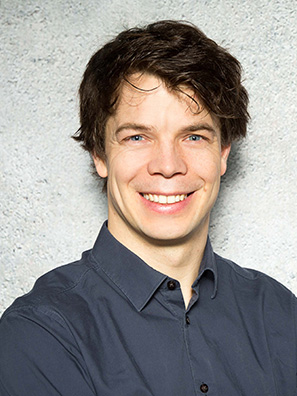
Dr. Moritz Reckling
System agronomist at ZALF
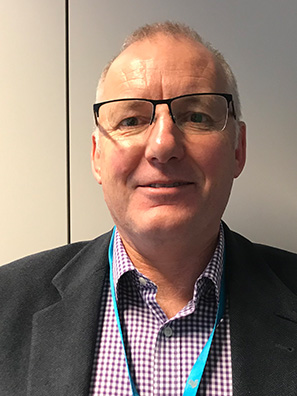
Paul Web
Head of Department for “Green Europe” Research, Executive Agency for Research (REA)
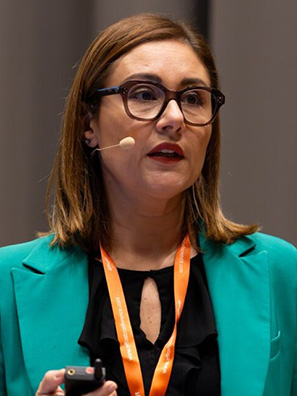
Rosalinda Scalia
Deputy Head of Unit, EC DG RTD
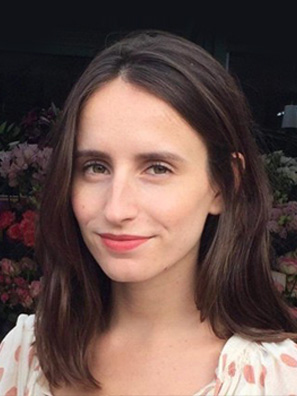
Mathilde Loas
RD&A Senior Scientist at Kerry Group
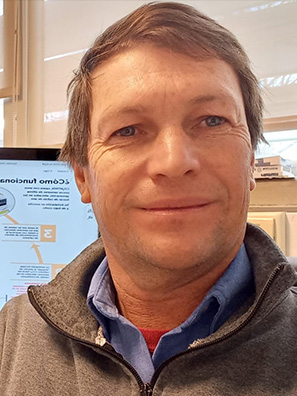
Dr. Ricardo Bartosik
Senior Researcher and Grain Post-Harvest Specialist at IPADS Balcarce (INTA–CONICET)
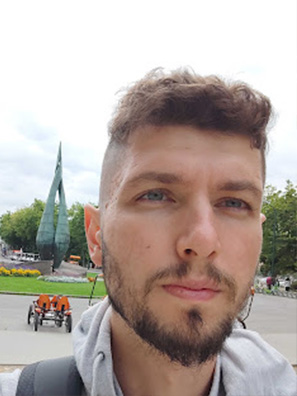
Dr. Vasileios Moysiadis
Machine Learning Engineer with a PhD in Human-Robot Collaboration
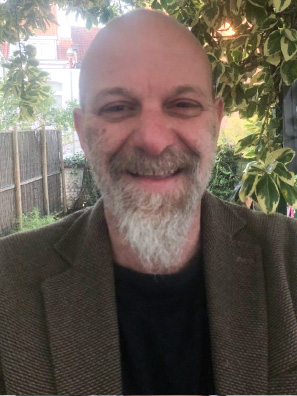
Fabrizio Fabbri
Secretary General at Euro Coop
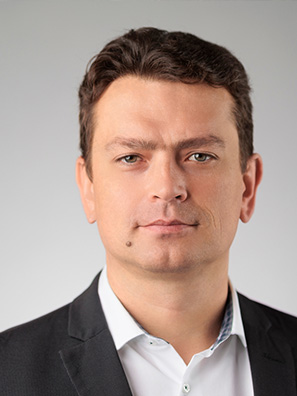
Prof. Dr. Sergiy Smetana
Head of Food Data Group, German Institute of Food Technologies (DIL e.V.), Quakenbrück, Germany
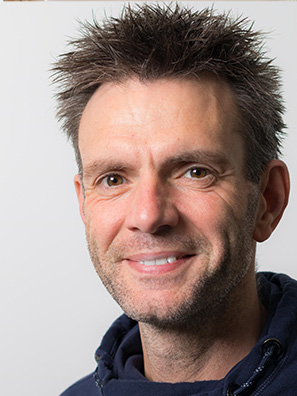
Geert Van Royen
Assistant Manager, Food Pilot at ILVO
Practical Information
Rue des Tanneurs 60–62
1000 Brussels
Belgium
Phone: +32 (0)2 512 05 10
BRUSSELS
Brussels’s 2024 population is now estimated at 2,132,178.
The city lies just a few miles north of the invisible “language boundary” separating Belgium’s Flemish-speaking region of Flanders in the north from the southern, French-speaking Walloon Region. Brussels is thus surrounded by Flemish territory. Although historically it was a predominantly Flemish-speaking city, at present the majority of residents in the Brussels agglomeration speak French.
The city is bilingual, and in all spheres of public life Flemish and French are used side by side. In the 20th century Brussels became the principal venue for political and cultural clashes between Flemings and Walloons.
In terms of the weather, Brussels has a mild maritime climate, with summer temperatures between 20 and 25 °C and winter temperatures rarely dipping below 0 °C. Rain falls on more than half the days of the year, and snowfall is rare.
VISITING BRUSSELS
For your convenience, there are several ways to travel from Brussels Airport (Zaventem) to Atelier des Tanneurs, Brussels.
Option 1 – Taxi
A taxi is the most direct option and takes approximately 25–30 minutes, depending on traffic.
● Use only licensed taxis with a taximeter, available directly outside the airport arrivals hall.
● Official taxis are recognizable by their blue and yellow logo.
● You may also arrange a private transfer in advance through providers such as Direct Way, which offer cars, minivans, coaches, and shuttle services.
Option 2 – Public Transport
By Train + Metro/Tram (recommended)
1. From the airport, go to Level -1 to access the train station.
2. Take a train to Brussels Midi / Bruxelles-Zuid (departures every 10–15 minutes).
3. From Brussels Midi, you have two convenient options:
○ Metro Line 2 or 6 (direction Simonis/Elisabeth) and get off at Anneessens.
From there, it is approximately a 5–7 minute walk to Atelier des Tanneurs.
○ Tram 51 (direction Van Haelen) and get off at Lemonnier, which is a short walk to the venue.
By Airport Bus (STIB – Airport Line)
● Take STIB Airport Line 12 or 21 from the airport to Brussels city center.
● Get off at Gare du Midi / Zuidstation.
● From there, continue by metro, tram, or on foot (approximately 15 minutes’ walk) to Atelier des Tanneurs.
Please note:
● Line 12 operates Monday–Friday until 8:00 PM.
● Line 21 operates weekdays after 8:00 PM, as well as weekends and public holidays.
To travel around Brussels and explore the city, we recommend walking and/or using the public transport (metro, trams and buses).
The STIB/MIVB runs almost all of the public transport in Brussels and it’s easy to get across the city, although the further from the centre you go, the more difficult it gets. You’ll find ticket vending machines in the metro and main tram or bus stations. If you only need a single-ride ticket, contactless payment is available. Look for the grey validator as you enter a station or a vehicle, tap your card or your smartphone, and you’re on your way.
Most of the tourist attractions (except the Atomium) are within a small area and can be explored on foot, so you won’t really need a day pass unless you decide to visit different neighborhoods on the same day.
To get an overview of the price of public transport, please visit this website.
TOURIST ATTRACTIONS
Check out 13 best things to do in Brussels
TIPS & TRICKS
Language: Belgium has three official languages (French, German, and Dutch). However, most people in Brussels are fluent in French. Fortunately for English-speakers, many service industry workers are conversational in English. As with most major cities, the further you get from touristy areas, the less likely it is that people speak fluent English.
Payment methods: credit and debit cards are accepted nearly everywhere, except for smaller shops or restaurants.
Airports: Brussels has the Brussels Airport (BRU) and Brussels South Charleroi Airport (CRL). This last one is generally cheaper, but it doesn’t have a train station of its own so traveling to the city center is more complicated (options: shuttle bus or private transfer).
Transport tickets: Brussels is very walkable. However, you can buy different tickets for your convenience. For instance, in all stations and trams and buses, you’ll find grey validating machines allowing contactless payment. The amount of €2.10, which is the price of a single fare, will be debited from your bank account. The daily debit will be capped at €7.5, which is the price of a 1-day ticket. For more information, visit this website.
What to eat: Here is a list of plant-based restaurants in Brussels

Project Coordination:
Dr. Ewen Mullins
Head of Crop Science Department at Teagasc and VALPRO Path Project Coordinator
Oak Park, Carlow R93 XE12, Ireland
ewen.mullins@teagasc.ie
Project Communication:
Prof. Dr. Mladen Radišić
CEO, Future Systems Hub
futuresystemshub.com
Trg Dositeja Obradovića 8,
Novi Sad Serbia
mladen@futuresystemshub.com

 VALPRO Path project is co-funded by the UK Research and Innovation (UKRI) under the UK government’s Horizon Europe funding guarantee.